Know What CVEs Your Cluster Is Actually Running
· 5 min read

This is a cluster you already run, and these are the CVEs in its latest scan — the image, the package, the version you have, and the version that fixes it.
Nova platform engineer tag description
View All TagsThis is a cluster you already run, and these are the CVEs in its latest scan — the image, the package, the version you have, and the version that fixes it.
Kubernetes standardized infrastructure primitives. Nobody standardized the glue above them.
Every company needs a different platform blueprint. They should be able to compose it from shared capabilities, on a standard runtime and trust layer, inside infrastructure they own.
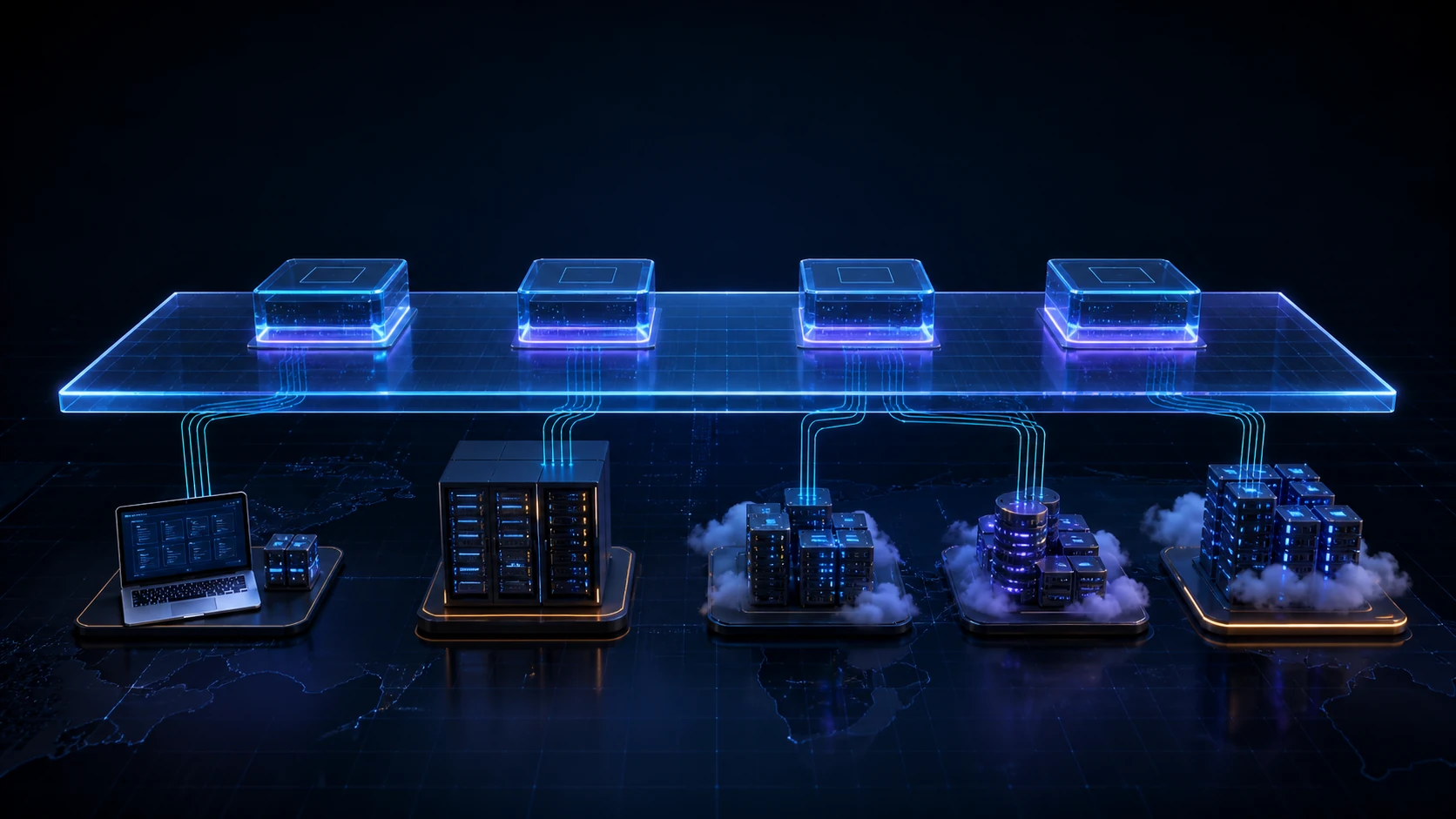
Different infrastructure underneath. One foundation for the blueprint you choose.
Here is a small thing that still delights me. Take the kind cluster running on your laptop, run one command, and it shows up in the same console as a production cluster on EKS: same deploy pipeline, same add-ons, same cost view. Not a simulation of production. The same blueprint running on the same foundation.
I want to explain why we built it that way, because behind that small trick sits our entire argument about how infrastructure should work for startups and mid-size companies. It starts with giving Kubernetes credit for what it actually standardized, and being honest about what it never did.
Many startups begin with one application and a hosted deployment service. That is usually the right decision. The team can ship without first building networking, deployment automation, or an operations layer.
The requirements change as the company adds services, environments, enterprise customers, private networking, and infrastructure ownership. The team still needs a short path to production, but the applications now need to run in infrastructure the company controls.
AstroPulse gives growing engineering teams a repeatable path from code to production in infrastructure they control, without requiring them to build the platform themselves.
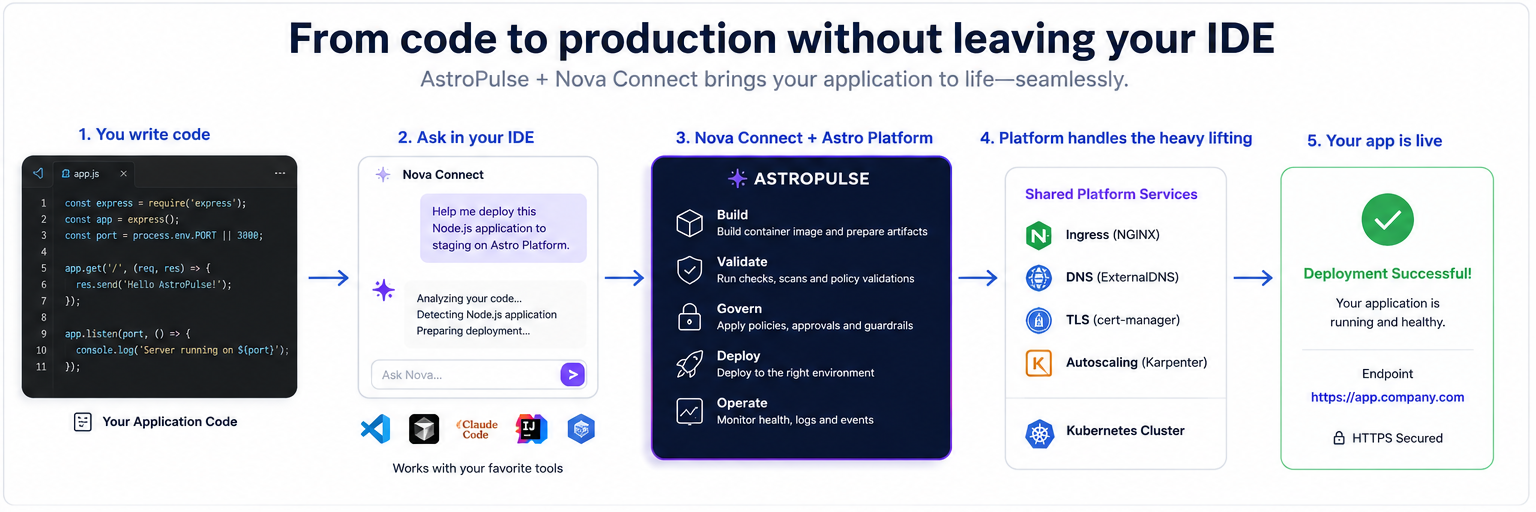
From code in the editor to a healthy application, with one platform reused across multiple services.
When I started AstroPulse, the problem was easy to name and hard to live with: teams moving to the cloud were drowning in tools. Every provider had its own consoles, its own primitives, its own way to deploy an app and stand up a cluster. The work that mattered, shipping software, kept getting buried under the work of operating it.
I wanted one place to deploy an application and run a cluster, on any cloud, without learning five different platforms first. That was the beginning. Everything since has been built on top of that one idea, one layer at a time.
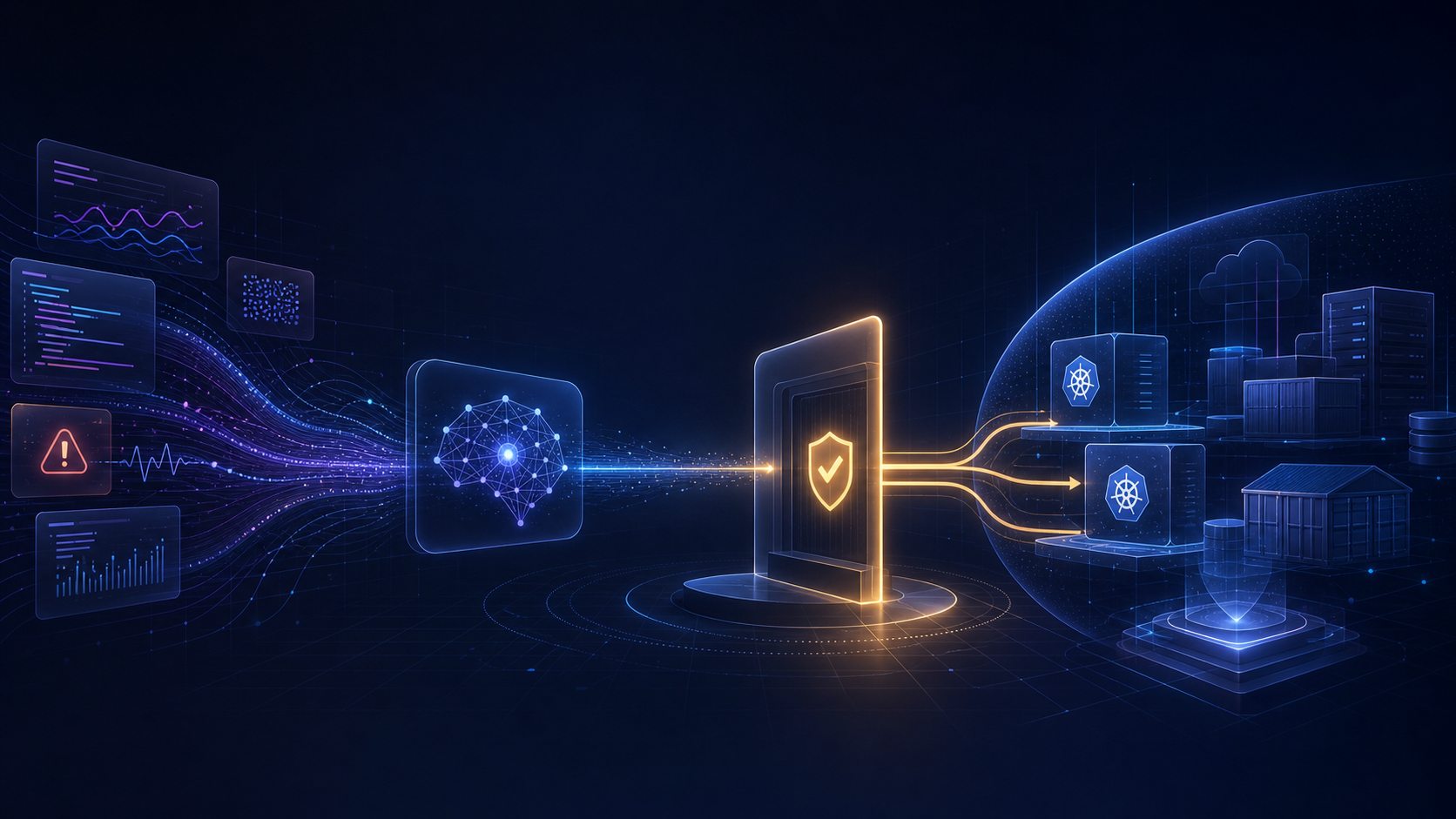
Diagnosis is a commodity. Trust is the product.
The AI SRE race will not be won by the agent that diagnoses fastest. It will be won by the system that operators trust enough to grant write access.
A personal note on where AI for operations is actually heading.
Over the past year a new category filled up fast. Depending on how you count, there are now more than a dozen credible tools that call themselves AI SREs. I have watched the space closely, partly because we are building in it, and partly because the speed of convergence is genuinely interesting.
Here is what nearly all of them do. They connect to your telemetry, your code, and your incident tooling. They correlate logs, metrics, and traces. When an alert fires, they form hypotheses, test them against the evidence, and post a likely root cause into Slack, often in under a minute. This is real progress. A few years ago none of it worked. Today most of it does.
Diagnosis is real progress. But it is just phase one.
When something breaks in production at an odd hour, the person on call has to do three things at once: understand what is happening, decide what to do about it, and be able to explain all of it the next day. Most AI incident tools help with at most one of these. They either give you more data to read, or they take action you cannot see and cannot account for afterward.
We spent the last several months building Nova's investigation engine around that gap. This post is about how we designed it, the models we borrowed from, and the trade-offs we made along the way.
Every AI agent demo looks the same. The model calls a tool, gets a result, and responds. Then you run it against real infrastructure, and the demo falls apart in ways the tutorials never mention.
We have spent over a year building Nova, an AI agent that operates real infrastructure for real teams. It is not a chatbot that wraps API calls. It investigates incidents, executes remediations, and composes across dozens of integrations. This post is about what we learned: the problems that made us rebuild entire subsystems, and the patterns that survived.
Platform teams carry operational knowledge that does not transfer easily. The debugging instincts, the service interdependencies, the deployment quirks: they accumulate over years and live in a few people's heads. When those people are unavailable, the gap shows.
We built Nova to put that knowledge into a system you can query. This post covers what the architecture looks like and what we learned building AI that actually operates infrastructure.